When considering materials for marine applications, stainless steel consistently stands out. Many shipbuilders and marine engineers ask, "Why stainless steel is preferred in marine applications?" The answer lies in its unique properties. Stainless steel offers exceptional corrosion resistance, vital for an environment so exposed to saltwater. Its strength-to-weight ratio ensures durability without excessive weight, making it perfect for vessels.
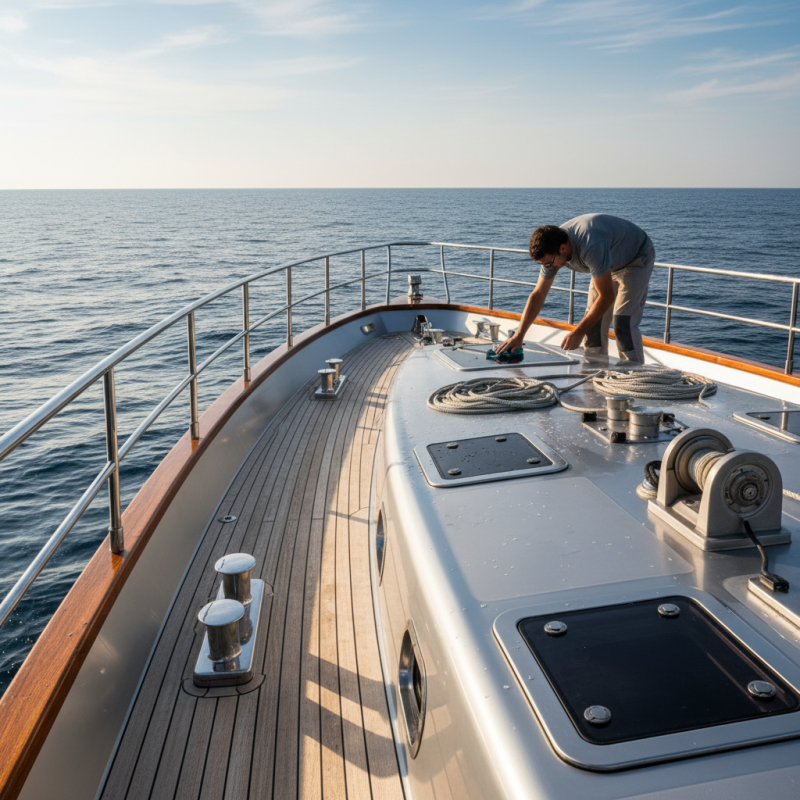
Moreover, stainless steel is easy to maintain. A simple wash can keep it looking new, a crucial aspect for boat owners who value aesthetics. Also, when selecting materials, the long-term performance should be a consideration. Some may ponder if alternatives could perform as well. However, the longevity and reliability of stainless steel often overshadow doubts. Its resistance to pitting and crevice corrosion is critical in harsh sea conditions.
Despite its advantages, it’s essential to recognize that not all stainless steel types are equal. Different grades have unique properties that may better suit specific needs. This brings forth the importance of expert advice when choosing. Overall, the preference for stainless steel in marine applications reflects a balance between practicality and performance, ensuring a safe and effective maritime experience.
Top 5 Reasons Why Stainless Steel is Best for Marine Use
Stainless steel is a top choice for marine applications. It is known for its impressive corrosion resistance. This property is crucial in the salty ocean environment. Water can quickly wear down lesser materials. Boats and marine structures benefit significantly from stainless steel's durability.
Another reason is its strength-to-weight ratio. Stainless steel is strong yet relatively light. This helps in maintaining stability without adding unnecessary weight. For manufacturers, it translates to better fuel efficiency over time. When you are out at sea, every bit of efficiency counts.
However, there are some considerations. While stainless steel is resistant, it is not immune to pitting. Regular inspections are essential to detect any issues early. Maintaining the surface can help extend the life of stainless steel products. This ongoing care requires both time and effort. It’s a commitment every boat owner must consider as they enjoy the marine experience.
Superior Corrosion Resistance in Harsh Marine Environments
Stainless steel stands out for marine applications, especially due to its superior corrosion resistance. In marine environments, saltwater poses a significant threat. It can quickly degrade materials not specifically designed for such exposure. According to a study by the Corrosion Engineering Society, over 50% of marine equipment failures are attributed to corrosion-related issues.
Using stainless steel can dramatically mitigate these risks. AISI 316 stainless steel, for instance, has a molybdenum content that enhances its resistance to pitting and crevice corrosion. In tests, AISI 316 showed only minimal degradation after two years in highly corrosive marine conditions. This is in stark contrast to other materials that demonstrate severe corrosion within months.
However, even stainless steel is not immune to challenges. Under certain conditions, such as high chloride exposure and insufficient cleaning, it can develop surface stains. This can be misleading, making it seem less effective than it is. Proper maintenance and regular inspections remain crucial for prolonging its lifespan. While no material is perfect, the robustness of stainless steel in harsh marine settings is noteworthy. It offers a reliable option for boat builders and marine industry professionals.
Top 5 Reasons Why Stainless Steel is Best for Marine Use
| Reason |
Description |
Benefit |
| Corrosion Resistance |
Stainless steel is highly resistant to rust and corrosion, especially in saline environments. |
Increases lifespan of marine equipment and reduces maintenance costs. |
| Durability |
It withstands harsh weather conditions and mechanical stress. |
Ensures equipment remains functional and reliable over time. |
| Low Maintenance |
Stainless steel requires less frequent cleaning and upkeep. |
Saves time and labor costs for vessel operators. |
| Aesthetic Appeal |
It maintains a shiny and attractive appearance. |
Enhances the visual appeal of marine equipment and vessels. |
| Recyclability |
Stainless steel is fully recyclable without loss of quality. |
Supports sustainability efforts and reduces environmental impact. |
High Strength-to-Weight Ratio Ideal for Marine Applications
Stainless steel is a top choice for marine applications. Its high strength-to-weight ratio plays a crucial role in boat design. This material offers durability without adding unnecessary weight. It helps maintain speed and efficiency on the water. The lightweight nature allows for better handling and maneuverability.
While stainless steel is strong, users should consider corrosion resistance. Marine environments are harsh, and stainless steel needs protection. Regular maintenance helps prolong its lifespan. A simple rinse with fresh water after use can make a difference. Inspect for signs of wear regularly. Pay attention to areas exposed to saltwater.
Tip: Use stainless steel fittings and fasteners. They minimize weight while providing strength. This combination enhances overall performance. In the long run, opting for quality materials pays off. Stay educated about proper care. Knowledge is crucial when working with marine products. Understanding the properties of stainless steel aids in making informed decisions.
Easy Maintenance and Cleaning Features of Stainless Steel Components
Stainless steel is the preferred choice for marine applications due to its exceptional resistance to corrosion. This resistance is particularly vital in saltwater environments. Maintaining stainless steel components is often simpler than other materials. A quick wipe and rinse are typically enough to keep surfaces clean and free of salt buildup.
Regular cleaning can enhance lifespan and performance. The International Journal of Maritime Science states that stainless steel can last over 50 years under harsh marine conditions, provided proper maintenance is followed. This durability translates to lower long-term costs for vessel owners. It is reported that routine maintenance, such as cleaning with mild detergents, can significantly reduce corrosion risks.
Tips: Always inspect stainless steel for signs of wear. Even minor scratches can harbor salt and lead to corrosion. Use a soft cloth to clean and dry the surfaces immediately after exposure to seawater.
With stainless steel, there’s also the challenge of fingerprints and stains, especially in high-traffic areas. Keeping a cleaning kit onboard can help address these issues proactively. Regular attention to these components ensures they remain visually appealing and functional, contributing to overall vessel safety and efficiency.
Longevity and Durability: Reducing Long-term Replacement Costs
Stainless steel is a top choice for marine environments due to its impressive longevity and durability. When exposed to harsh ocean conditions, materials face corrosion and wear. Stainless steel resists these elements effectively. This quality leads to fewer replacements over time. It can withstand saltwater, UV rays, and extreme temperatures.
Reducing long-term replacement costs is crucial for any marine operation. Stainless steel’s durability means fewer repairs and less maintenance. While it may require a higher initial investment, the savings on replacements are significant. Boaters often overlook the longevity of their equipment. Investing wisely today can prevent headaches tomorrow.
However, it is essential to choose the right grade of stainless steel. Not every type offers the same level of protection. Some may require regular cleaning to maintain their shine. Users might find themselves needing to educate themselves. Making informed choices helps avoid future pitfalls. Strengthening knowledge around materials ensures long-term success.
Recyclability and Environmental Impact of Stainless Steel in Marine Use
Stainless steel shines in marine applications, primarily due to its remarkable recyclability. When it comes to the health of our oceans, this material stands out as an environmentally friendly choice. Unlike many other metals, stainless steel can be recycled without loss of quality. This means that old marine parts can find new life in modern products.
Tip: When upgrading marine equipment, consider the recyclability of materials. This not only benefits your vessel but also the environment.
Stainless steel reduces corrosion risks, which helps in maintaining marine ecosystems. When boats and equipment corrode, harmful substances can leach into the water. By using stainless steel, boaters minimize the environmental impact of their vessels. Its durability means less frequent replacements, which can contribute to lower waste generation over time.
Tip: Regular maintenance can prolong the life of stainless steel components. This simple action can have a significant positive effect on the environment.
FAQS
: Stainless steel offers superior corrosion resistance, essential in harsh marine environments. It withstands saltwater effectively.
Materials not designed for marine conditions can degrade quickly. Over 50% of marine equipment failures are due to corrosion.
AISI 316 exhibits minimal degradation after two years in harsh environments, outperforming many alternatives significantly.
Yes, it can develop surface stains under high chloride exposure. Regular cleaning is necessary to maintain its effectiveness.
Rinsing with fresh water after use and regular inspections can significantly prolong its lifespan and prevent corrosion.
Stainless steel's high strength-to-weight ratio helps maintain speed and maneuverability, crucial for efficient boat design.
Stainless steel’s durability can lead to fewer replacements, saving money in the long run despite higher initial costs.
Not all grades provide equal protection; educating oneself helps in making informed choices to avoid future issues.
Ignoring longevity could lead to frequent replacements and costly repairs, making it vital to invest wisely from the start.
Rinse equipment with fresh water after each use to minimize corrosion risks and maintain performance.
Conclusion
Stainless steel is increasingly favored in marine applications due to its remarkable properties that enhance performance and longevity. One of the primary reasons why stainless steel is preferred in marine applications is its superior corrosion resistance, which is essential for withstanding harsh salty environments. This material also boasts a high strength-to-weight ratio, making it ideal for various marine structures and components that require both durability and lightweight design.
Moreover, stainless steel requires minimal maintenance and is easy to clean, ensuring that vessels remain in optimal condition with less effort. Its longevity minimizes long-term replacement costs, making it a cost-effective choice over time. Additionally, the recyclability of stainless steel aligns with environmental considerations, further reinforcing its preference in the marine industry. Overall, these qualities make stainless steel a top choice for those involved in marine operations.
 Elite Steel
