Choosing the right stainless steel grade is critical for procurement decisions. Each grade has unique properties, making it suitable for specific applications. Industry expert Dr. Emma Chen, a metallurgist with over 15 years of experience, states, "Understanding what is the difference between stainless steel grades can significantly impact project success."
Stainless steel grades vary in their resistance to corrosion, temperature resilience, and mechanical strength. For instance, austenitic stainless steels offer excellent corrosion resistance, making them ideal for kitchen appliances. In contrast, ferritic grades might suit automotive applications better due to their strength and cost-effectiveness.
Yet, despite these classifications, many still struggle with selection. The multitude of choices can be overwhelming. Not considering the specific environment or intended use leads to potential failures. As procurement specialists, it’s essential to familiarize ourselves with the nuances of each grade. A thorough understanding can prevent costly mistakes and ensure your projects meet industry standards.
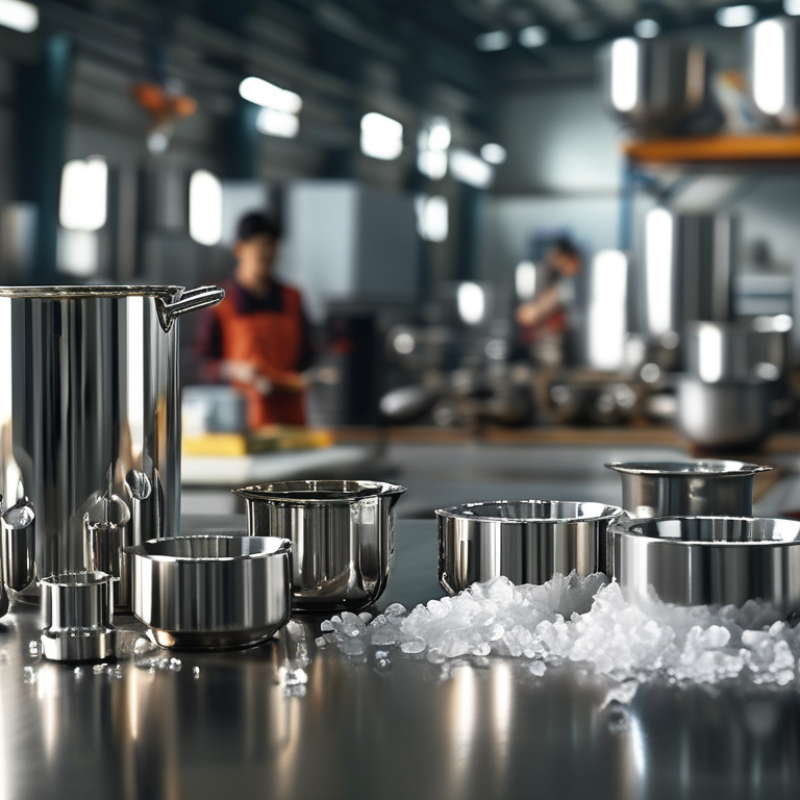
Understanding the Basics of Stainless Steel Grades and Their Properties
When choosing stainless steel grades, understanding their properties is crucial. Stainless steel blends iron with chromium, enhancing resistance to corrosion. This basic knowledge allows procurement professionals to make informed selections. Different grades possess unique characteristics, shaping their applications across industries.
For instance, 304 stainless steel is versatile. It offers excellent corrosion resistance and is easy to weld. However, it may not withstand salty environments as well as other grades.
On the other hand, 316 stainless steel contains molybdenum, improving resistance to chlorides. This property makes it a preferred choice in marine settings. Each grade requires careful consideration.
While it’s tempting to pick a grade based on one property, neglecting others can lead to challenges. Failure to analyze the intended environment and load types may result in premature failures. A deeper understanding of thermal and mechanical properties is necessary. Users should frequently reassess their choices, reflecting on how specific grades perform in real-world applications.
The Importance of Alloy Composition in Stainless Steel Selection
When selecting stainless steel grades, the alloy composition plays a crucial role. Different applications require specific characteristics, which depend largely on the composition of the stainless steel. Common elements include chromium, nickel, and molybdenum. Each element impacts the metal's strength, corrosion resistance, and overall durability.
**Tips:** Inquire about the specific percentages of these elements in the alloy. A slight change can affect performance significantly. For example, a higher nickel content improves the material's resistance to corrosion.
Understanding the balance between these elements is vital. Too much chromium can lead to brittleness, while insufficient nickel can reduce corrosion resistance. Each specific application, whether in construction or manufacturing, demands careful evaluation of the steel grade.
**Tips:** Always check recent data on alloy compositions relevant to your needs. Sometimes, materials thought to be reliable may fail under certain conditions. Reflect on past selections to guide future choices. The right composition ensures longevity and reliability in any project.
Stainless Steel Grades and Composition Analysis
This chart compares the nickel and chromium content across different stainless steel grades. Understanding the alloy composition is critical for making informed procurement decisions in stainless steel selection.
Key Applications for Different Stainless Steel Grades in Procurement
When choosing stainless steel grades for procurement, it's vital to understand their specific applications. Different grades serve unique purposes across various industries. For instance, Grade 304 stainless steel is often used in kitchen equipment and food processing. Its excellent resistance to corrosion makes it a favorite in environments where hygiene is essential.
Grade 316 is another popular choice, particularly in marine environments. Its enhanced resistance to salty conditions makes it ideal for boat fittings and chemical processing. However, while these grades are noteworthy, they can be over-specified for certain applications. This can lead to increased costs without significant benefits.
Conversely, Grade 430, a ferritic stainless steel, has its own niche in appliances and automotive applications. It is less costly but offers lower corrosion resistance. Understanding the balance between cost and performance is crucial. Expert advice can help avoid common pitfalls in grade selection, ensuring you meet application needs without overspending. Be mindful of these intricacies when deciding on the right stainless steel for your project.
Evaluating Performance Characteristics of Stainless Steel Grades
Choosing the right stainless steel grade for procurement requires careful evaluation of its performance characteristics. Key factors include corrosion resistance, mechanical properties, and heat resistance. According to the International Stainless Steel Forum (ISSF), grades 304 and 316 are among the most commonly used due to their versatility and strength. However, the choice should be based on the specific environment and application.
Corrosion resistance is critical for materials exposed to harsh environments. For example, grade 316 offers superior resistance to saltwater corrosion, making it ideal for marine applications. Yet, it is essential to consider that not all applications need high-grade stainless steel. Using a less expensive grade can be a better choice in low-risk environments, but it may lead to unexpected failures if not assessed properly.
Tips: Always match the material grade to the application. Conduct a thorough risk assessment to avoid costly mistakes. Consult with materials engineers or specialists in the field for insights on specific requirements.
Another essential characteristic is mechanical strength. Some applications may demand high tensile strength, while others may prioritize ductility. Misunderstanding these requirements can lead to significant setbacks in production. The ASTM International standards provide comprehensive guidelines on mechanical properties to assist in making informed decisions.
Cost Considerations and Market Trends in Stainless Steel Procurement
In the stainless steel procurement landscape of 2026, cost plays a pivotal role. Fluctuating raw material prices impact budgets significantly. Buyers must stay informed about steel market trends, as prices can change rapidly. Understanding global demand can lead to smarter purchasing decisions.
Analyzing market trends requires expertise. Different grades of stainless steel come with varying costs. Selecting an inappropriate grade can lead to unnecessary expenses. Companies often overlook the long-term implications of their choices. Cheaper options may not provide the desired durability or performance, leading to higher replacement costs.
Supplier relationships also contribute to procurement costs. Trustworthy suppliers can offer better pricing and reliability. Nonetheless, buyers must evaluate their suppliers carefully. Not all vendors provide consistent quality. Regular audits can help ensure that procurement maintains high standards while controlling costs effectively.
2026 How to Choose Stainless Steel Grades for Procurement? - Cost Considerations and Market Trends in Stainless Steel Procurement
| Grade |
Corrosion Resistance |
Mechanical Properties |
Cost per Ton ($) |
Market Demand Trend |
| 304 |
Good |
Moderate Strength |
2400 |
Stable |
| 316 |
Excellent |
High Strength |
2800 |
Increasing |
| 430 |
Fair |
Moderate Strength |
1800 |
Decreasing |
| 321 |
Good |
High Strength |
2600 |
Stable |
Conclusion
Choosing the right stainless steel grade for procurement involves understanding the fundamental differences between stainless steel grades and their properties. The alloy composition plays a crucial role in determining the characteristics of each grade, influencing factors such as corrosion resistance, strength, and weldability. It is essential to consider the specific applications each grade is suitable for, as different industries require distinct performance qualities from their stainless steel materials.
In addition to performance considerations, evaluating cost and market trends is vital for making informed procurement decisions. Companies must weigh the benefits of specific stainless steel grades against their budget constraints, always asking, "What is the difference between stainless steel grades?" By understanding these differences, businesses can optimize their procurement strategy and ensure they select the most appropriate stainless steel for their needs.
 Elite Steel
